




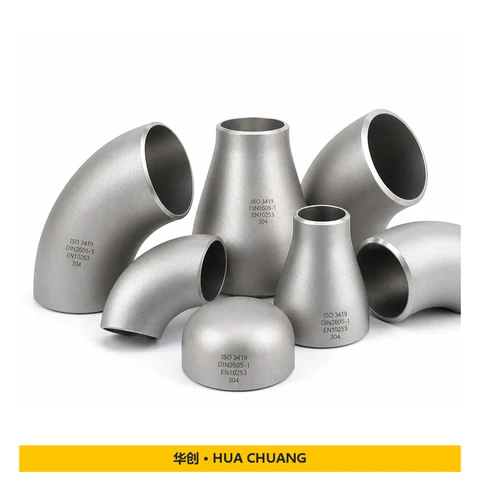
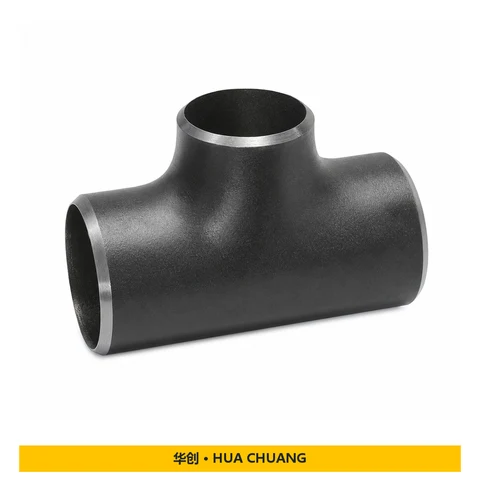
Reducing tees — EN 10253-1 / DIN 2605-1 · Stainless steel · 304
Identify the main-run size and reduced branch size separately. Confirm branch orientation, wall thicknesses and centre-to-end dimensions.
Choose carbon or stainless steel tees for the specified service. State whether the tee is equal or reducing and give the run and branch sizes separately. Include material grade, wall thickness, standard and edition, quantity and inspection requirements; final configuration is confirmed against your project specification.
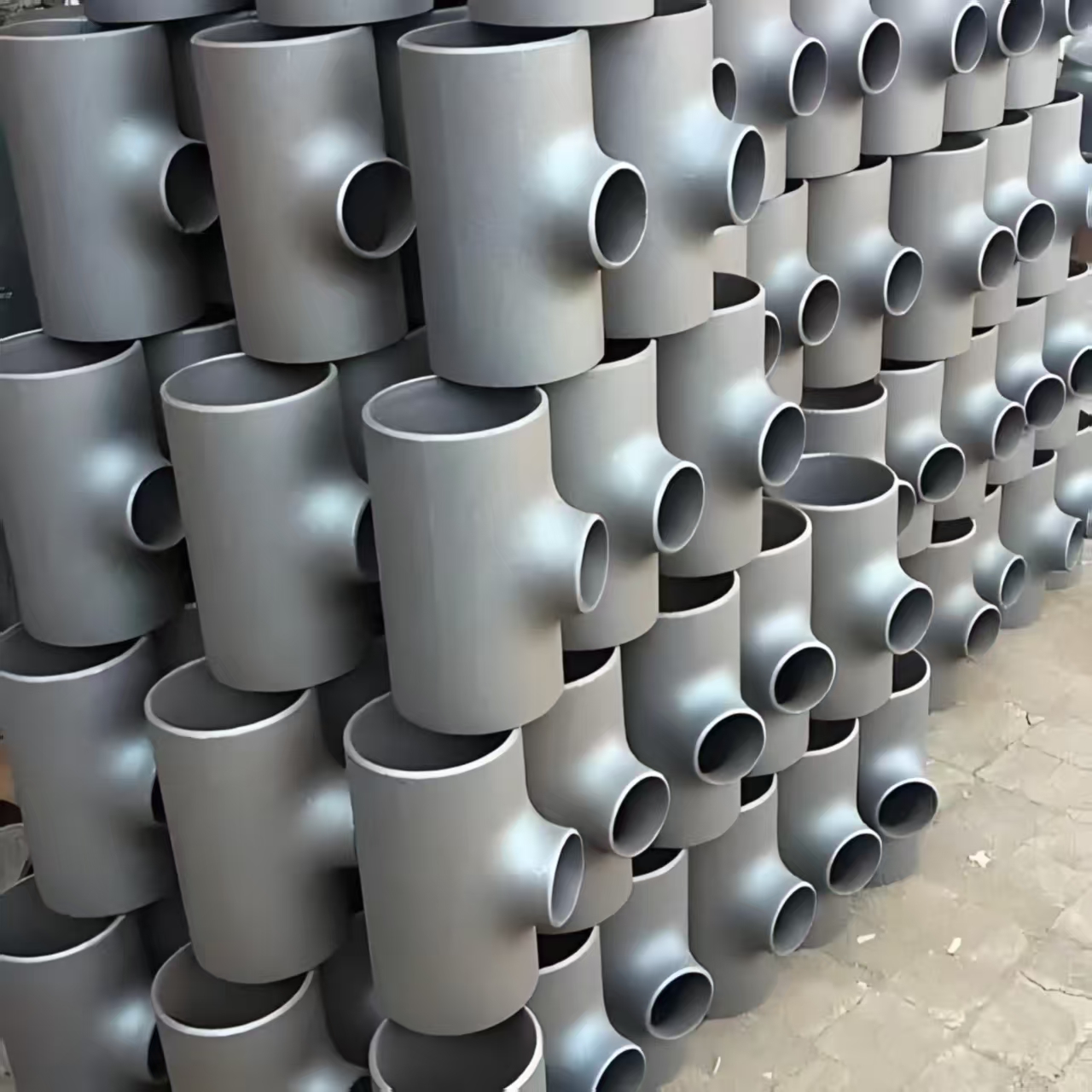
Identify the main-run size and reduced branch size separately. Confirm branch orientation, wall thicknesses and centre-to-end dimensions.
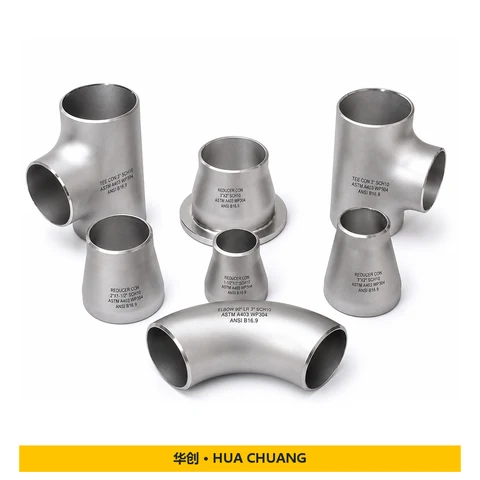
Choose the turning angle and bend radius, then specify both end diameters and wall thicknesses. Include tangent lengths when installation space is restricted.
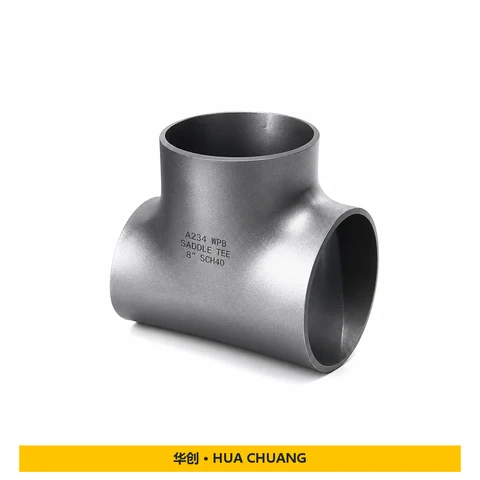
Choose the turning angle and bend radius, then specify both end diameters and wall thicknesses. Include tangent lengths when installation space is restricted.
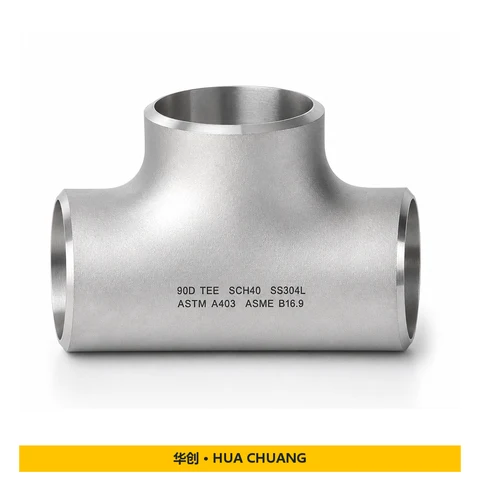
Specify the run and branch dimensions explicitly, even for an equal tee. Confirm centre-to-end dimensions and end preparation.
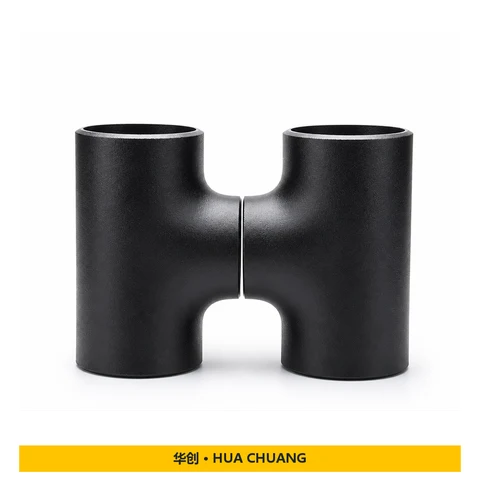
State whether an equal or reducing tee is required. Specify the run size and branch size separately, including wall thickness at each connection. Confirm branch orientation and centre-to-end dimensions from the piping layout. A tee and a reducer have different connection geometry and should be listed as separate items.
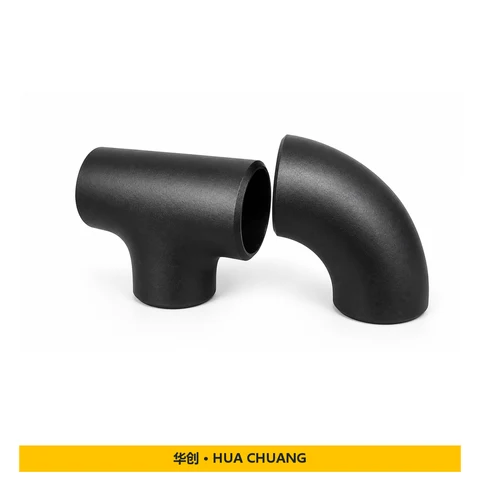
Identify the main-run size and reduced branch size separately. Confirm branch orientation, wall thicknesses and centre-to-end dimensions.
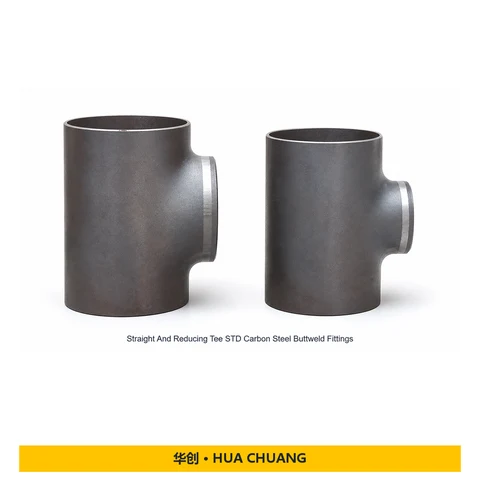
Specify the run and branch dimensions explicitly, even for an equal tee. Confirm centre-to-end dimensions and end preparation.
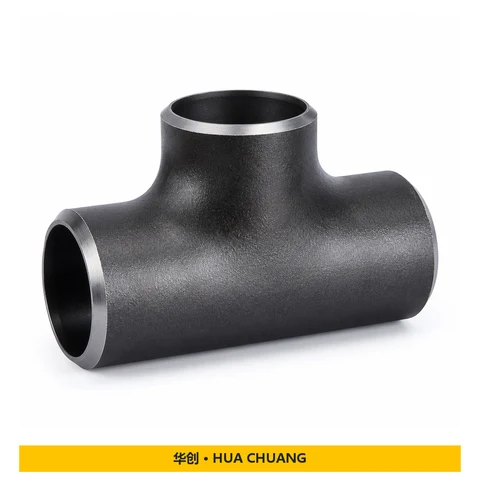
State whether an equal or reducing tee is required. Specify the run size and branch size separately, including wall thickness at each connection. Confirm branch orientation and centre-to-end dimensions from the piping layout. A tee and a reducer have different connection geometry and should be listed as separate items.
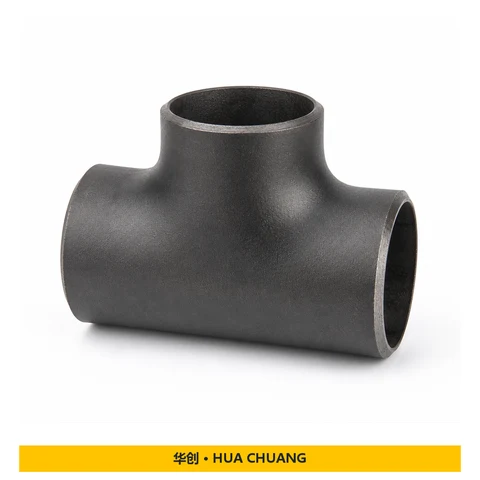
Specify the run and branch dimensions explicitly, even for an equal tee. Confirm centre-to-end dimensions and end preparation.
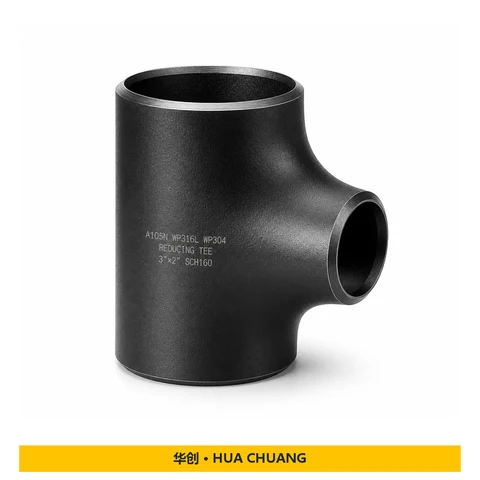
Identify the main-run size and reduced branch size separately. Confirm branch orientation, wall thicknesses and centre-to-end dimensions.
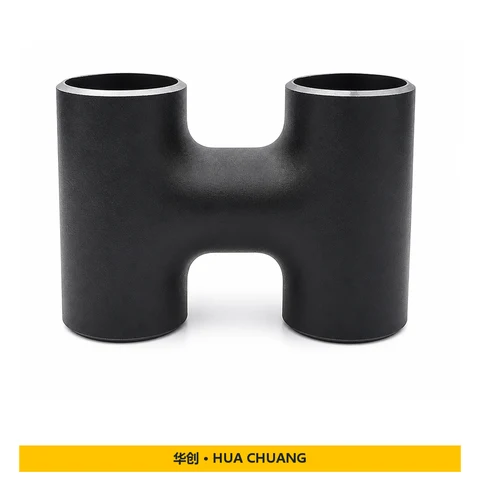
State whether an equal or reducing tee is required. Specify the run size and branch size separately, including wall thickness at each connection. Confirm branch orientation and centre-to-end dimensions from the piping layout. A tee and a reducer have different connection geometry and should be listed as separate items.
Specify large-end and small-end diameters with their wall thicknesses. Confirm the reducer length and alignment with the piping drawing.
Choose carbon or stainless steel tees for the specified service. State whether the tee is equal or reducing and give the run and branch sizes separately. Include material grade, wall thickness, standard and edition, quantity and inspection requirements; final configuration is confirmed against your project specification.
Send us your drawings or specifications — our engineers will reply with a competitive quotation within 24 hours.