



Application Scenarios
Illustrative uses of pipe components, not records of completed customer projects. Suitability must be confirmed against the approved project specification.
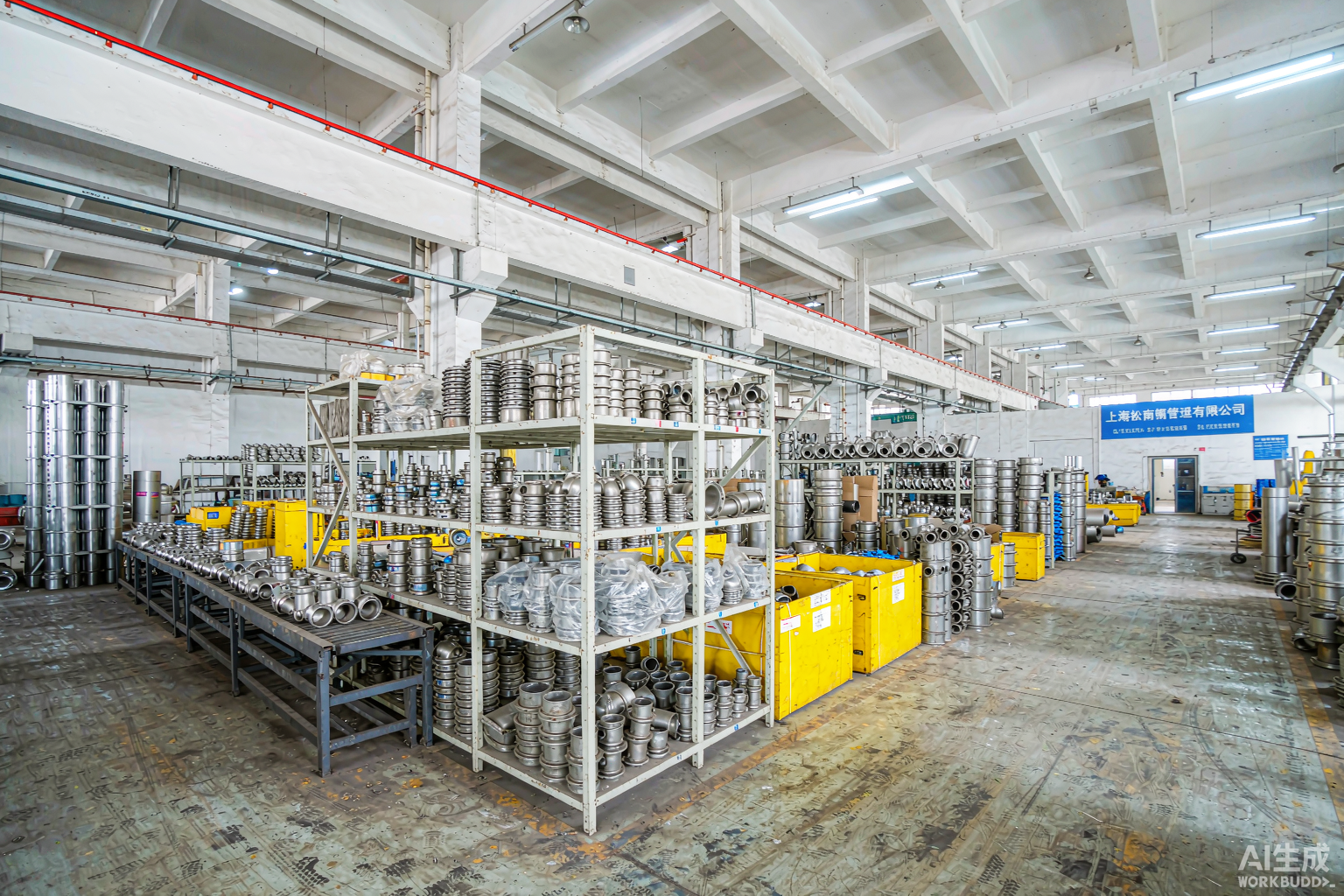

Gas piping enquiries often combine straight runs, direction changes, branches and removable equipment connections. This application guide helps buyers prepare a bill of materials for elbows, tees and flanges; it is not a completed customer project or a piping design.
Water distribution assemblies can require branch connections, changes in direction and flanged interfaces around pumps or valves. This guide explains which purchasing details help coordinate these components. It describes an application, not a supplied customer project.

Power facilities contain piping systems with different duties, including steam, condensate, cooling water and auxiliary services. These systems should not be treated as one interchangeable product specification. This page is a purchasing guide, not evidence of a completed power project.

Chemical process piping may connect vessels, pumps, branches and maintenance interfaces. Procurement must distinguish the service conditions of each line. This application guide supports an enquiry for components and does not represent a delivered chemical plant project.
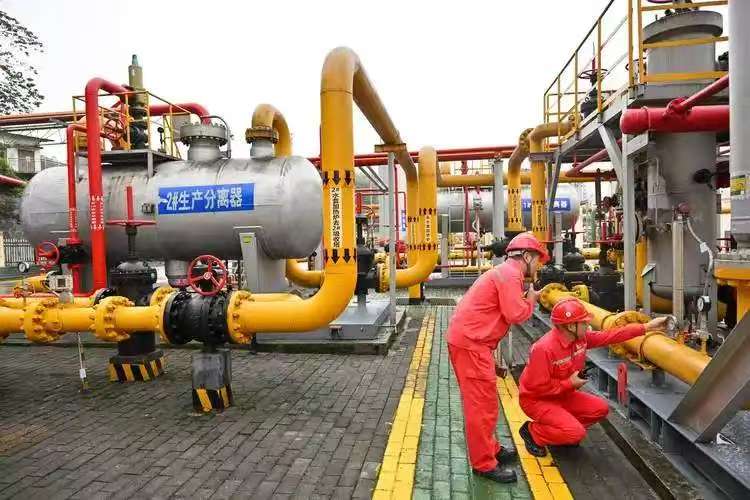
Equipment connection enquiries often concern the interface between piping and a pump, valve, vessel or skid. The key purchasing task is to define the mating components accurately. This is an illustrative selection workflow, not a record of supplied equipment.
No published cases yet.
Application Scenarios
Illustrative uses of pipe components, not records of completed customer projects. Suitability must be confirmed against the approved project specification.
01
PROJECT OVERVIEW
Power facilities contain piping systems with different duties, including steam, condensate, cooling water and auxiliary services. These systems should not be treated as one interchangeable product specification. This page is a purchasing guide, not evidence of a completed power project.
02
PROJECT CHALLENGE
Provide the exact service, design pressure and temperature, material specification and applicable project code. Where the design calls for heat treatment, additional testing or traceability, include those requirements explicitly. Material selection, wall thickness and pressure-temperature suitability require the responsible engineer's review.
03
OUR SOLUTION
Prepare separate quotation lines for each material and line class. For replacement parts, use verified dimensions and drawing revisions rather than appearance alone. State elbow geometry, tee branch dimensions and flange facing/rating; identify any matching or fabrication requirements that affect the order.
04
PRODUCTS SUPPLIED
Relevant catalogue families: weld neck flanges, blind flanges, elbows, reducers and tees. The specified grade and component dimensions determine the enquiry; this list is not approval for high-temperature service.
05
APPLICATION
Include quantities, material records, inspection hold points if specified, marking and packing instructions. Ask suppliers to identify exclusions and proposed substitutions in their offers, and obtain approval before accepting a deviation.
06
PROJECT GALLERY
